
Tender Litigation in India: Legal Challenges and Expert Strategies
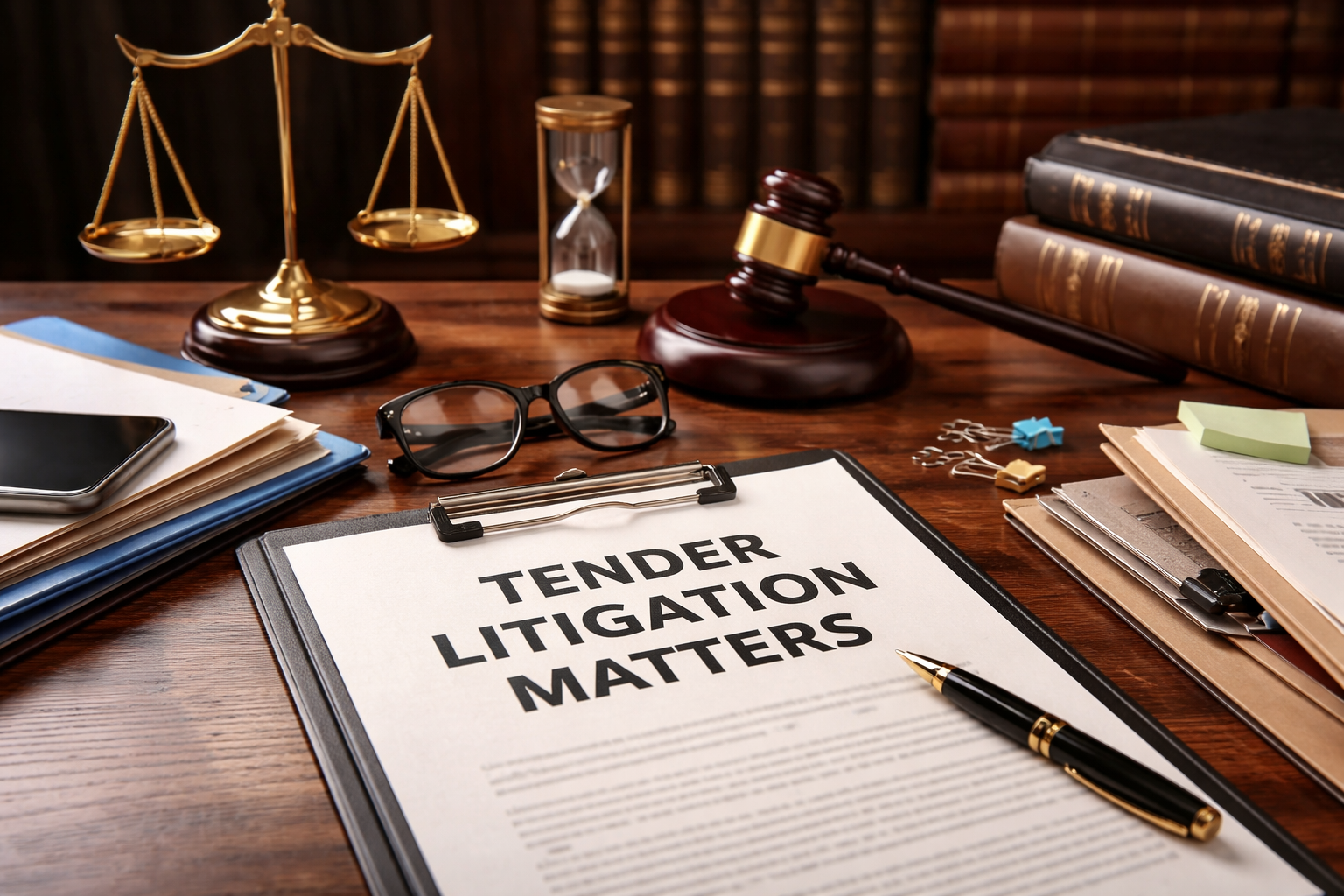
Tender Litigation in India: Legal Challenges and Expert Strategies
In India, tender litigation has emerged as a critical area of legal practice due to the increasing complexity of public procurement and government contracts. Organizations, contractors, and suppliers frequently encounter disputes over tender awards, contract execution, or alleged non-compliance with tender conditions. Understanding the legal framework, challenges, and strategies is crucial for businesses and legal professionals navigating this domain.
What is Tender Litigation?
Tender litigation refers to legal disputes arising from public or private procurement processes. These disputes often occur when parties contest tender notices, bid evaluation procedures, contract awards, or performance obligations. Tender litigation ensures that the tendering process is fair, transparent, and compliant with applicable laws, thereby protecting the interests of both the government and bidders.
In India, tender litigation can involve multiple legal forums such as:
- Civil courts for contractual disputes.
- Administrative tribunals for public procurement challenges.
- Arbitration for disputes covered under arbitration clauses in tender agreements.
- High Courts and the Supreme Court for appeals and public interest matters.
Common Legal Challenges in Tender Litigation
Tender litigation is often complex due to the involvement of multiple stakeholders, statutory requirements, and strict timelines. Some of the key legal challenges include:
1. Disqualification of Bidders
Many disputes arise when bidders are disqualified due to alleged non-compliance with eligibility criteria, technical specifications, or submission deadlines. Companies must ensure thorough documentation and compliance to avoid disqualification.
2. Alleged Bias or Unfair Evaluation
Claims of bias or unfair evaluation by tender committees are common. Legal interventions often focus on proving procedural lapses, failure to follow tender guidelines, or favoritism.
3. Delay in Tender Process
Delays in issuing tender awards or contract finalization can lead to disputes. Contractors may claim losses due to delayed execution or missed opportunities. Courts and tribunals may assess damages based on contractual obligations and losses incurred.
4. Breach of Tender Conditions
Tender agreements often include detailed terms regarding project execution, timelines, and payment obligations. Breach of these conditions can result in litigation where parties seek compensation or specific performance.
5. Government Regulations and Compliance
Tender litigation frequently involves interpreting government regulations, including the General Financial Rules (GFR), Central Vigilance Commission (CVC) guidelines, and sector-specific policies. Failure to comply with these regulations may invalidate bids or result in legal action.
Expert Strategies to Handle Tender Litigation
To effectively manage tender disputes, organizations and legal professionals must adopt proactive and strategic measures:
1. Thorough Documentation and Record-Keeping
Maintaining comprehensive records of all tender-related communications, submissions, and clarifications is critical. Proper documentation serves as evidence in case of disputes and strengthens the legal position.
2. Compliance with Tender Guidelines
Strict adherence to eligibility criteria, technical specifications, and submission procedures reduces the risk of disqualification. Organizations should appoint compliance officers or legal advisors to ensure all tender conditions are met.
3. Pre-Litigation Negotiation
Engaging in early discussions with the contracting authority or other parties can often resolve disputes without formal litigation. Pre-litigation negotiation helps save time, costs, and reputational risk.
4. Arbitration and Alternative Dispute Resolution (ADR)
Many tender contracts include arbitration clauses. Using arbitration or other ADR mechanisms can lead to faster dispute resolution compared to traditional court proceedings.
5. Engaging Experienced Legal Counsel
Tender litigation requires expert knowledge of procurement laws, contract law, and regulatory frameworks. Experienced counsel can provide guidance on filing challenges, defending claims, and leveraging legal remedies effectively.
6. Monitoring Changes in Legal and Regulatory Framework
Tendering rules and government regulations frequently evolve. Staying updated on legal amendments, judicial precedents, and sector-specific guidelines is essential to avoid compliance pitfalls.
Notable Case Examples in India
Several landmark cases highlight the nuances of tender litigation:
- Techno Electric & Engineering Company vs State of West Bengal (2005) – The Supreme Court emphasized transparency and adherence to tender conditions in public procurement.
- Supreme Infrastructure vs Union of India (2014) – The court highlighted the importance of procedural fairness in evaluating bids and award of contracts.
These cases underscore that parties must balance legal rights with procedural obligations while navigating tender disputes.
Conclusion
Tender litigation in India is a challenging yet essential aspect of public and private procurement. Organizations, contractors, and legal professionals must adopt expert strategies, maintain meticulous records, and ensure compliance with tender laws to mitigate risks. By proactively addressing potential disputes, leveraging ADR mechanisms, and engaging experienced legal counsel, businesses can safeguard their interests and achieve favorable outcomes.
Tender litigation is not just about legal compliance—it’s about strategic planning, risk management, and protecting business integrity in a highly competitive environment.