
Supreme Court’s Landmark 2026 Ruling on False Promise of Marriage — Consent, Misconception and the Law Explained
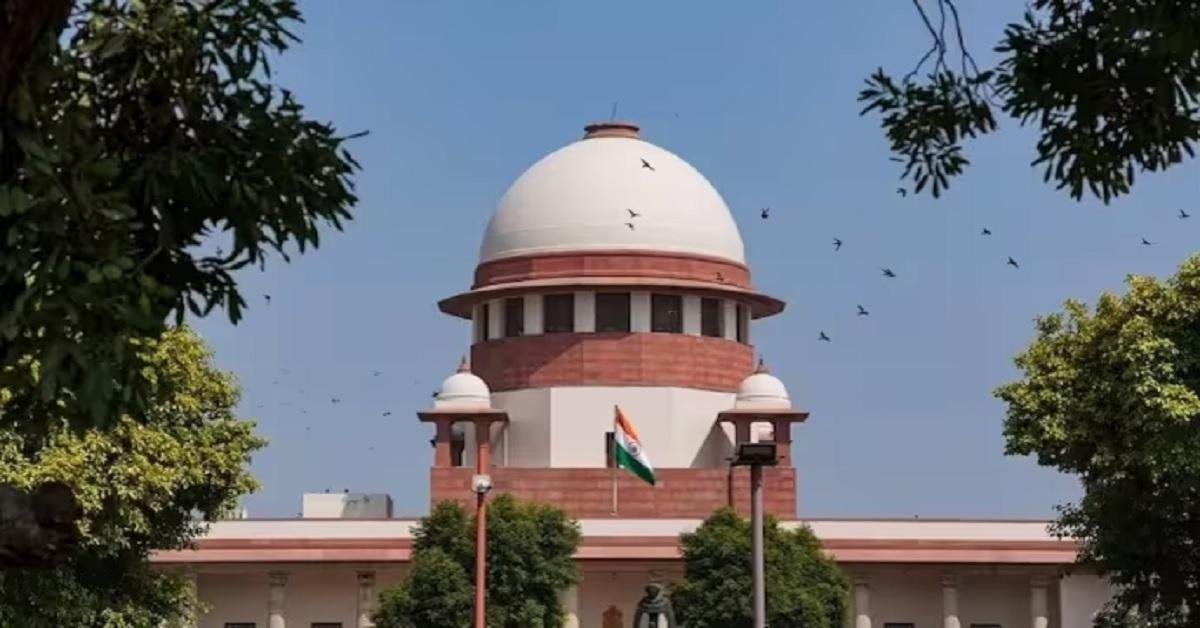
In a society where personal relationships and legal obligations often intersect, the law must tread carefully — especially when intimate matters take a legal turn. One of the most significant legal developments in 2026 has been the Supreme Court of India’s ruling on whether a broken promise of marriage can amount to rape under criminal law. This judgment has sparked widespread discussion among lawyers, courts, and the public because it clarifies a sensitive and complex area of law.
At Swati Verma & Associates, we believe in presenting legal developments in a way that is clearly understood by both legal professionals and common readers alike. In this blog, we explain the ruling, the principles behind it, and its broader impact on law and society.
Background: What Did the Supreme Court Decide?
In early 2026, the Supreme Court addressed a case where a woman — also a practising advocate — alleged that she had been deceived into a sexual relationship by a man who promised to marry her. She later accused him of rape on the premise that the promise was false and that her consent was obtained under a misconception of marriage.
The Supreme Court held that “a mere broken promise of marriage does not automatically amount to rape.” Instead, the core legal question was whether the promise was false from the very beginning and was made solely to induce sexual consent. The Court clarified that if the promise was genuinely made — even if it was later unfulfilled — it does not amount to rape unless intentional deception is clearly proven.
In simpler terms, the judgment emphasises that not every failed relationship or unfulfilled promise is a criminal act. Only when the promise is made with deceit and without intent to marry from the outset, and that deceit directly influenced consent, can it attract legal consequences under rape laws.
Why This Ruling Is Significant
1. Clarifying the Law on Consent and Misconception
Consent is one of the central pillars of sexual offence law in India. According to legal principles, consent entered into under a “misconception of fact” — such as deliberate deceit — may not be legally valid. However, the Supreme Court emphasised that a broken promise of marriage cannot automatically be treated as deceit unless it can be proven that the promise was never intended to be honoured and was used solely to secure consent.
Former legal interpretations sometimes blurred this distinction, leading to confusion in lower courts. With this ruling, the Supreme Court has reaffirmed that consent is to be examined carefully and contextually, ensuring that genuine consensual relationships are not criminalised just because they end later.
2. Preventing Misuse of Criminal Law
The Supreme Court also expressed concern over the rising trend of rape cases filed on the basis of failed relationships or unfulfilled promises of marriage, describing such misuse of criminal law as a matter of “profound concern.”
By requiring clear evidence of deception and intent from the beginning, the judgment protects the criminal justice system from being used to settle personal disputes, misunderstandings, or emotional conflicts. It also reduces the chances of wrongful accusations and unnecessary legal trauma for individuals.
3. High Legal Threshold for “False Promise” Cases
For a false promise of marriage to amount to rape, the Court made it clear that:
-
The promise must have been false at the outset.
-
It must have been made without any genuine intention of fulfilment.
-
The deception must have directly influenced the decision to consent.
By setting this high legal threshold, the Court ensures that only genuine cases of deception are pursued under serious criminal provisions, rather than every emotional dispute or change of heart.
Real‑World Impact and Legal Implications
For Legal Practitioners
This ruling provides a strong precedent for handling cases related to alleged false promises of marriage. Lawyers will need to focus on evidence of intent and deception — not just emotional narratives — when arguing such cases.
For the Judiciary
Trial courts and High Courts will now have a clear standard to differentiate genuine deception from ordinary disagreements or relationship breakdowns, preventing wrongful criminal charges under rape provisions.
For Individuals
Anyone navigating personal relationships should understand that broken promises, heartbreak, or unfulfilled expectations are not automatically crimes. The law protects consensual relationships and focuses on real instances of deceit or coercion, rather than emotional discomfort.
Balancing Law, Human Relationships, and Justice
This Supreme Court judgment reflects a balanced approach where the law acknowledges the complexities of human relationships while firmly protecting individuals from exploitation and misuse of the legal process. It stresses that while consent obtained under deliberate deceit deserves legal scrutiny, the law must not treat every broken commitment as a criminal offence.
Law must protect justice, not become a tool for personal vendettas or emotional disputes.
Conclusion: A Milestone in Legal Interpretation
The Supreme Court’s 2026 decision on false promises of marriage is a landmark in Indian jurisprudence. It reinforces that:
-
Consent must be real and not vitiated by deception.
-
Broken promises are not inherently criminal.
-
Criminal law is reserved for genuine cases of misuse of trust and intentional deception.
At Swati Verma & Associates, our aim is to help you understand such pivotal legal decisions — not just as rules on paper, but as principles with real impact on people’s lives.