
Supreme Court: Understanding India’s Highest Court
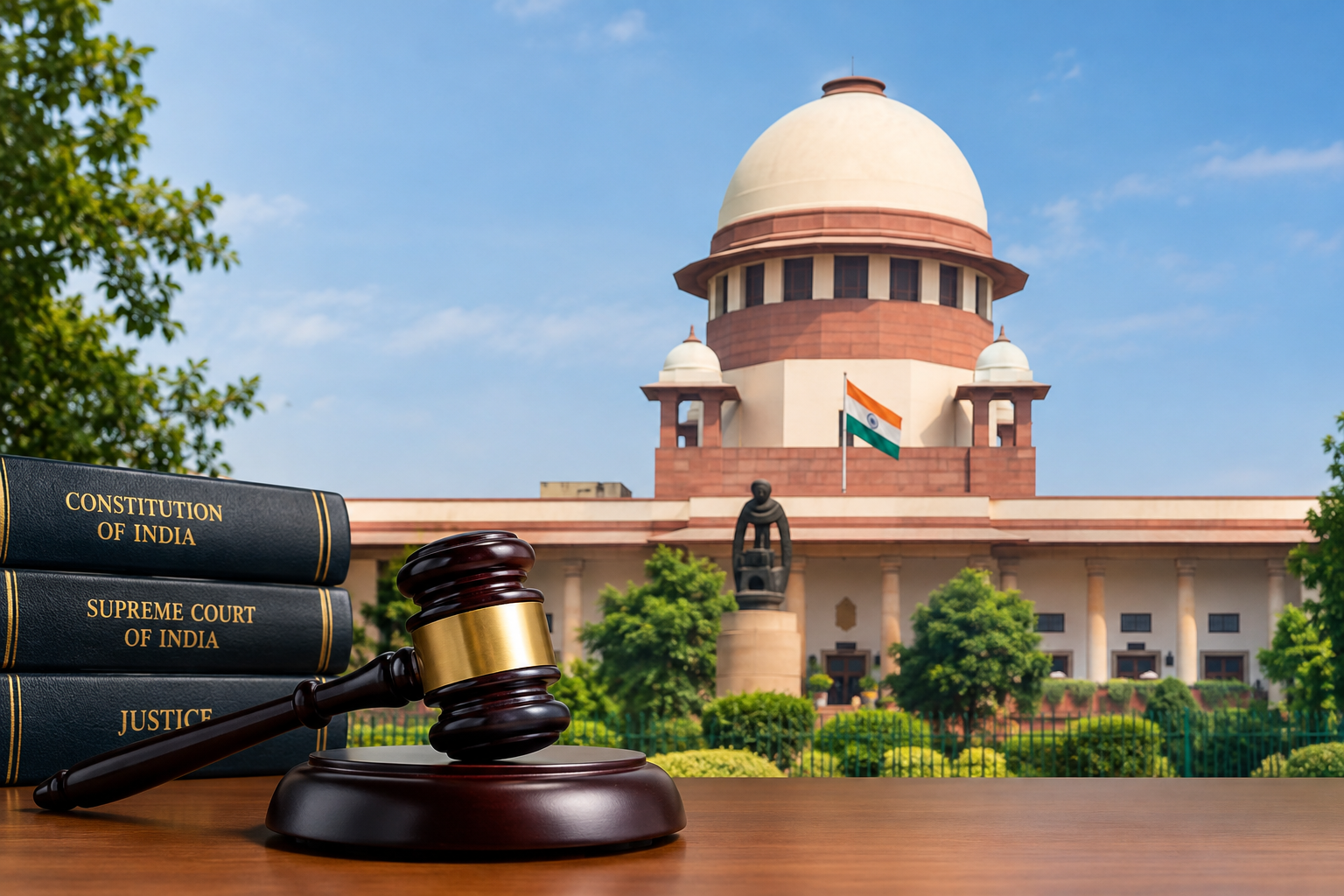
The Supreme Court is the highest court in India and plays an important role in the country’s justice system. It interprets the Constitution, hears important appeals and protects fundamental rights. Located in New Delhi, the Court deals with legal matters that can affect individuals, businesses, government authorities and society.
Understanding how the Supreme Court works can help people learn about their legal rights, court procedures and important judicial decisions. Whether you are a law student, lawyer, business owner or ordinary citizen, knowing the basics of the Indian judicial system can be useful.
This article explains the role of the Supreme Court, its powers, the types of cases it handles and how people can access official court information.
What Is the Supreme Court?
The Supreme Court of India started functioning on 28 January 1950. It was established under the Constitution of India and serves as the country’s highest judicial authority.
The Court hears appeals from lower courts and high courts in appropriate cases. It also decides certain constitutional disputes and matters involving fundamental rights.
The main responsibilities of the Supreme Court include:
- Interpreting the Constitution of India.
- Protecting fundamental rights under the Constitution.
- Hearing appeals in civil and criminal cases.
- Deciding certain disputes involving governments.
- Explaining how laws should be interpreted and applied.
- Ensuring that legal principles are followed by courts across India.
The Supreme Court follows specific rules and procedures. Not every case can be filed directly before it. The appropriate legal route depends on the nature of the dispute and the applicable law.
Role and Powers of the Supreme Court
The Constitution gives the Supreme Court different powers to perform its judicial responsibilities.
Protection of Fundamental Rights
Fundamental rights protect important freedoms and legal interests recognised by the Constitution. Article 32 allows people to approach the Supreme Court for remedies to enforce their fundamental rights.
These rights include equality before the law, certain freedoms and protection of life and personal liberty, subject to the relevant constitutional provisions.
The Court examines the legal issues raised in each case and may provide an appropriate remedy when the legal requirements are satisfied.
Hearing Appeals
The Supreme Court hears appeals against decisions of high courts and other courts where the Constitution or applicable law permits an appeal.
An appeal allows a higher court to review a decision on the grounds available under the relevant legal procedure.
In some cases, a party may seek special leave to appeal under Article 136 of the Constitution. The Court decides whether to grant permission, and it is not automatic.
Interpretation of the Constitution
The Supreme Court interprets constitutional provisions when important legal questions arise.
Its decisions help explain the meaning of constitutional rules and how they apply to particular disputes. These interpretations can guide other courts when they decide similar legal questions.
Binding Decisions
Article 141 of the Constitution states that the law declared by the Supreme Court is binding on all courts within India.
This principle supports consistency in the interpretation of law. However, the legal principle must be understood in the context of the judgment and the issue decided.
Types of Cases Handled by the Supreme Court
The Supreme Court deals with different types of legal matters. Each case follows the procedure applicable to its subject and jurisdiction.
1. Constitutional Cases
Constitutional cases involve questions about the Constitution, fundamental rights and the powers of government institutions.
For example, a dispute may concern whether a government action follows a constitutional requirement. The Court examines the relevant law and arguments before reaching a decision.
Such cases are important because the interpretation of constitutional provisions may affect how public authorities exercise their powers.
2. Criminal Cases
Criminal cases may involve questions about arrest, bail, evidence, criminal trials and appeals against convictions.
The Supreme Court can examine legal issues arising from criminal proceedings when the case falls within its jurisdiction.
However, the outcome depends on the facts, evidence, applicable legislation and legal arguments. A decision in one criminal case does not automatically determine the outcome of every similar case.
3. Civil and Property Disputes
Civil matters may include disputes involving property, contracts, ownership and other legal rights.
Some civil disputes reach the Supreme Court through the applicable appeal process. The Court may examine whether the law was correctly interpreted or applied.
People involved in property disputes should keep relevant agreements, ownership records and previous court orders available for review by their lawyer.
4. Employment and Pension Matters
Employment disputes may involve service conditions, seniority, regularisation and retirement benefits.
The Supreme Court may interpret service rules or clarify legal principles relevant to these matters. However, the application of a judgment depends on the specific rules and circumstances of each case.
Employees and pensioners should review the relevant service documents and seek legal advice before concluding that a particular judgment applies to their situation.
How to Check Supreme Court Judgments Online
The website provides access to judgments, orders, case-related information, cause lists and official notices.
Follow these steps to find relevant information:
- Visit the official Supreme Court website.
- Open the appropriate judgments, orders or case information section.
- Enter the case details requested by the search service.
- Confirm the case name and date.
- Read the available judgment or order.
- Check for later orders if the case is still ongoing.
It is important to distinguish between a hearing and a final judgment. A hearing may result in an adjournment, an interim direction or another procedural order.
If you are researching a recent decision, verify the original court record before relying on information published elsewhere.
Why Supreme Court Judgments Matter
Supreme Court judgments help explain how laws and constitutional provisions should be understood.
Their effects may extend to different areas of public and private life.
For citizens: Decisions can clarify legal rights and responsibilities.
For lawyers: Judgments provide legal principles that may be relevant to cases they handle.
For law students: Court decisions offer practical examples of legal reasoning and constitutional interpretation.
For businesses: Certain rulings can affect contracts, regulatory duties and commercial disputes.
For employees and pensioners: Some decisions clarify the interpretation of service rules and employment benefits.
Not every judgment introduces a new legal rule. Some decisions apply existing principles to specific facts, while others clarify questions about the meaning of legislation or the Constitution.
Reading the actual judgment helps readers understand what was decided and which legal principles were applied.
Supreme Court Location in New Delhi
The Supreme Court of India is located in New Delhi. Lawyers, litigants, researchers and other authorised visitors may need to visit the Court for legal proceedings or related work.
Before visiting, check the official cause list and current entry requirements. Hearing schedules can change, and access to court premises may be subject to security and administrative procedures.
If you are attending a hearing, confirm the case number, listing details and any relevant instructions before travelling.
People who want to file a case should understand the applicable legal procedure and filing requirements. The process depends on the type of matter, the Court’s jurisdiction and the relevant rules.
How to Prepare for a Supreme Court Case
Preparing for a court case requires careful attention to documents, deadlines and legal procedures.
Here are some useful steps:
- Keep copies of relevant documents and previous court orders.
- Note important dates and case details.
- Understand the legal issue involved in the dispute.
- Follow the applicable filing and procedural requirements.
- Consult a qualified lawyer about the appropriate legal remedy.
- Check official court records for updated hearing information.
Preparation can help people organise their information and understand the process. However, the correct legal approach depends on the facts and circumstances of the individual case.
How to Stay Updated About Supreme Court Decisions
Reliable information is essential when following legal developments. Incomplete reports or outdated information can create confusion about what a court has actually decided.
To stay informed, use official court records as your primary source. Read reliable legal reporting for additional context, and check whether a later order has changed the position.
When publishing legal information online, include accurate case names, dates and links to official documents where available. Avoid presenting an allegation, a hearing observation or an interim direction as a final decision.
For a legal website, related articles about constitutional rights, criminal appeals, Special Leave Petitions and court procedures can help readers explore specific topics in greater detail. Internal links should lead to relevant pages that actually exist on the website.
Conclusion
The Supreme Court is an important institution in India’s judicial system. It interprets the Constitution, hears appeals, protects fundamental rights and clarifies the meaning of laws.
Understanding its powers and procedures helps citizens, lawyers, students and businesses follow legal developments more effectively. Whether a matter involves constitutional rights, criminal law, property disputes or employment issues, accurate information is essential.
The official Supreme Court website is a useful starting point for checking judgments, orders and hearing details. Readers should verify important information against official records and seek advice from a qualified lawyer when dealing with an individual case.
Frequently Asked Questions (FAQs)
1. What is the Supreme Court of India?
The Supreme Court of India is the highest court in the country. It interprets the Constitution, hears appeals in appropriate cases and decides matters within its legal jurisdiction.
2. Where is the Supreme Court located?
The Supreme Court is located in New Delhi, India.
3. When did the Supreme Court start functioning?
The Supreme Court of India started functioning on 28 January 1950.
4. What are the main powers of the Supreme Court?
Its powers include interpreting the Constitution, hearing appeals, enforcing fundamental rights within its jurisdiction and deciding certain disputes involving governments.
5. Are Supreme Court judgments binding on other courts?
Under Article 141 of the Constitution, the law declared by the Supreme Court is binding on all courts within India.
6. What is a Special Leave Petition?
A Special Leave Petition, or SLP, is a request for special permission to appeal to the Supreme Court under Article 136 of the Constitution. The Court decides whether to grant permission.
7. Can I check my Supreme Court case status online?
The official website provides online case-related resources. You can search using the details requested by the relevant service.
8. Does every hearing result in a final judgment?
No. A hearing may result in an adjournment, an interim order, a procedural direction or a final judgment.
9. Do I need a lawyer for a Supreme Court case?
Legal representation and applicable procedural requirements depend on the type of case and the relevant rules. A qualified lawyer can explain the appropriate procedure for your situation.