
Rera Matter in Delhi: Understanding RERA Complaints, Rights and Legal Remedies
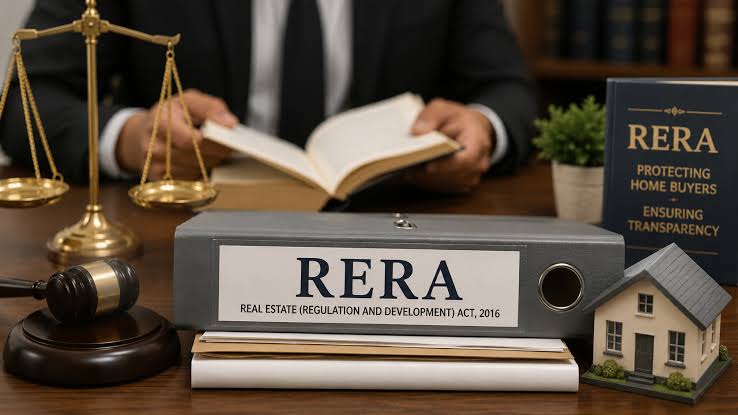
Buying a property involves a significant financial commitment, and disputes with builders or real estate promoters can become complicated when possession is delayed, promised specifications are changed, refunds are not processed, or contractual obligations are not fulfilled. The Rera Matter framework provides a regulatory mechanism for addressing several such disputes under the Real Estate (Regulation and Development) Act, 2016.
For property buyers in Delhi, understanding how RERA works is important before deciding whether to approach the regulatory authority, seek compensation, pursue another legal remedy, or take steps for enforcement of an order.
A RERA lawyer in Tis Hazari Court, Delhi can assist clients in understanding the legal position, examining property documents, preparing complaints and identifying the appropriate legal forum based on the nature of the dispute.
The Real Estate (Regulation and Development) Act, 2016 was introduced to improve transparency, accountability and consumer protection in the real estate sector. The Ministry of Housing and Urban Affairs identifies protection of allottees, transparency, reduction of delays and a mechanism for dispute resolution among the objectives of the legislation.
What Is a Rera Matter?
A Rera Matter generally refers to a legal or regulatory dispute arising in connection with a real estate project, promoter, allottee or real estate agent where rights or obligations under RERA may be involved.
Common disputes may include:
- Delay in handing over possession
- Failure to provide possession according to the agreement
- Refund-related disputes
- Interest claims arising from delay
- Changes in sanctioned plans or project specifications
- Issues concerning promised amenities
- Misleading information or representations
- Defects in construction or workmanship
- Disputes concerning promoter obligations
- Non-compliance with certain statutory requirements
- Issues involving the agreement for sale
- Enforcement of an order passed by the competent authority
However, not every property dispute automatically becomes a RERA dispute. The project’s status, date, nature, applicable legislation, contractual documents and jurisdiction all need to be examined before choosing a legal remedy.
How Does RERA Protect Homebuyers?
The RERA Act places several obligations on promoters and provides statutory rights to allottees.
For example, Section 18 addresses situations where a promoter fails to complete or is unable to give possession in accordance with the agreement for sale. Depending on the circumstances and the allottee’s decision, the Act provides for refund with applicable interest and compensation in cases where the allottee wishes to withdraw, while an allottee who continues with the project may have a claim relating to interest for the delay.
This does not mean that every delayed project automatically results in the same relief. The facts of the individual case, agreement, applicable rules and orders of the competent authority have to be considered.
Common Reasons for Filing a RERA Complaint
1. Delayed Possession
One of the most common real estate disputes involves a buyer waiting beyond the possession date mentioned in the agreement.
Before filing a complaint, the allottee should review:
- The agreement for sale
- Allotment letter
- Payment schedule
- Promised possession date
- Extensions or revised timelines
- Correspondence with the promoter
- Relevant project approvals and registration details
The exact contractual and statutory position should be established before determining the relief that may be claimed.
2. Refund Disputes
A buyer may seek a refund where the legal requirements for such relief are satisfied. Section 18 specifically deals with return of amounts, interest and compensation in circumstances covered by the provision.
A lawyer can examine whether the facts support a refund claim and whether any other contractual or statutory remedy may also be relevant.
3. Changes in Project Plans
Changes to sanctioned plans, layouts or specifications can create disputes between promoters and allottees.
RERA contains provisions concerning the promoter’s obligations regarding sanctioned plans and restrictions on certain alterations. The consent requirements under Section 14 may become relevant depending on the nature of the proposed change.
4. Construction or Quality-Related Issues
Buyers may also raise disputes concerning construction defects, workmanship, quality or promised services.
The Act contains specific provisions dealing with structural defects and other defects in workmanship, quality or provision of services. The circumstances, notice requirements and applicable statutory provisions should be assessed individually.
Who Can File a RERA Complaint?
Section 31 of the RERA Act provides a complaint mechanism for an aggrieved person in relation to violations or contraventions covered by the Act.
The exact parties and relief depend upon the facts of the dispute. An allottee may have a grievance against a promoter, while other disputes can involve real estate agents or other parties covered by the legislation.
A recent Delhi court decision also discussed Section 31 and recognised that an aggrieved allottee can bring a complaint concerning alleged violations of applicable RERA provisions against a promoter.
Because jurisdiction can differ depending on where the property or project is located, buyers should verify the appropriate RERA authority before proceeding.
Delhi RERA and Delhi NCR Are Not the Same Jurisdiction
This distinction is particularly important for property buyers in Delhi.
A property marketed as being in “Delhi NCR” may actually be located in Delhi, Haryana or Uttar Pradesh. The appropriate RERA authority depends on the location and applicable jurisdiction of the project.
For example, a project situated in Delhi may fall under the Delhi RERA framework, while projects in areas such as Gurugram or Noida are governed through the applicable Haryana or Uttar Pradesh RERA framework.
Therefore, before preparing a complaint, it is sensible to verify:
- The project’s physical location
- Its RERA registration
- The relevant RERA authority
- The promoter’s details
- The agreement for sale
- The nature of the relief being sought
This basic jurisdiction check can prevent a complaint from being directed to the wrong authority.
What Documents Are Important in a Rera Matter?
Proper documentation can make a significant difference when presenting a property dispute.
Depending on the circumstances, relevant documents may include:
- Builder-buyer agreement or agreement for sale
- Allotment letter
- Booking form
- Payment receipts
- Bank statements showing payments
- Possession-related correspondence
- Emails and notices exchanged with the promoter
- Brochures or representations relied upon at the time of booking
- RERA project registration details
- Possession or demand letters
- Occupancy or completion-related documents, where applicable
- Photographs or other evidence of defects
- Previous legal notices or orders
A lawyer should review the documents before drafting the complaint so that the pleadings accurately reflect the transaction and the relief being requested.
How a RERA Lawyer Can Help
A RERA lawyer in Tis Hazari Court, Delhi can provide assistance at different stages of a property dispute.
Legal Document Review
The first step is often to understand what the buyer actually agreed to and what the promoter was legally required to provide.
Identification of the Appropriate Remedy
A property dispute may involve RERA, contractual, consumer, civil, appellate or enforcement issues. The appropriate legal route depends on the facts and applicable law.
Drafting and Filing
A lawyer can help organise the facts, identify relevant provisions, prepare supporting documents and formulate the relief sought.
Representation
Legal representation can be useful where the matter involves detailed documents, multiple allegations, contractual interpretation or procedural issues.
Enforcement and Further Proceedings
Obtaining an order may not always be the end of the matter. If an order is not complied with, the next legal steps need to be considered according to the nature of the order and applicable procedure.
Why Local Legal Assistance in Tis Hazari Can Be Relevant
Tis Hazari Courts is a major district court complex in Delhi and includes Central and West District court operations. The official Delhi District Courts website also identifies Tis Hazari as an operational court complex and lists a mediation centre there.
For someone searching for Rera Matter legal assistance near Tis Hazari Court, Delhi, local legal consultation can make it easier to discuss documents, understand the procedural position and determine whether the dispute requires proceedings before RERA or another appropriate forum.
Importantly, the location of a lawyer’s office does not itself determine RERA jurisdiction. The property/project location and applicable law remain important.
What Should You Do Before Filing a RERA Complaint?
Before initiating proceedings, consider the following checklist:
1. Collect all documents
Keep the agreement, payment records, correspondence and project information together.
2. Verify the project
Check the project’s RERA registration and relevant details.
3. Establish the timeline
Prepare a simple chronology from booking and payments to possession demands, correspondence and the present dispute.
4. Identify the actual grievance
Clearly determine whether the primary issue concerns delay, refund, interest, construction defects, plan changes, misleading representations or another statutory obligation.
5. Determine jurisdiction
Confirm which RERA authority or other legal forum has jurisdiction.
6. Assess the relief sought
The desired outcome should be clearly identified before drafting the complaint.
7. Obtain legal review
A property lawyer can assess the documents and explain the available legal routes based on the facts.
Conclusion
A Rera Matter can involve significant financial and legal consequences for both property buyers and promoters. Delayed possession, refund disputes, interest claims, construction defects and disagreements concerning project plans are among the issues that may require careful legal examination under RERA.
For property owners and homebuyers in Delhi, the first step should not simply be filing a complaint. It is important to establish the project’s jurisdiction, review the agreement and supporting documents, identify the specific legal grievance and determine the appropriate remedy.
If you are looking for legal assistance concerning a Rera Matter in Tis Hazari Court, Delhi, a consultation with a lawyer experienced in real estate disputes can help you understand the documents, applicable provisions and procedural options relevant to your circumstances.
Frequently Asked Questions (FAQS)
What is a Rera Matter?
A Rera Matter generally concerns a real estate dispute involving rights, obligations or alleged violations under the Real Estate (Regulation and Development) Act, 2016. It may involve issues such as delayed possession, refund, interest, construction defects or certain project-related changes.
Can a homebuyer file a RERA complaint against a builder?
Where the requirements of the RERA Act are satisfied, an aggrieved person can file a complaint concerning a violation or contravention covered by the Act. Section 31 provides the statutory complaint mechanism.
Can I claim a refund for delayed possession?
Section 18 addresses refund and interest in specified circumstances where a promoter fails to complete or give possession in accordance with the agreement for sale. The appropriate relief depends on the facts and applicable law.
Does every property dispute come under RERA?
No. The applicability of RERA depends on factors such as the nature and status of the project, the parties involved, the dispute and the applicable statutory provisions. Some disputes may require consideration of other legal remedies as well.
Is Tis Hazari Court the place for every RERA complaint in Delhi?
Not necessarily. Tis Hazari is a major Delhi district court complex, but the appropriate forum for a RERA complaint depends on the applicable RERA jurisdiction and the nature of the dispute.
What documents should I take to a RERA lawyer?
Bring the agreement for sale or builder-buyer agreement, allotment documents, payment receipts, bank records, correspondence with the builder, possession documents and relevant project/RERA information.
Can a lawyer help with an existing RERA order?
Yes. A lawyer can examine the order and advise on the appropriate procedural steps where an order has not been complied with or where further proceedings are legally available.