
Criminal Litigation

Criminal litigation is an important area of legal practice that deals with cases involving alleged violations of criminal law. It covers the legal process from the initial stage of investigation and registration of a criminal case through trial, evidence, arguments, and final judgment. Criminal proceedings can have serious consequences for an individual’s liberty, reputation, […]
Bail: Understanding Bail, Legal Rights, and the Bail Process in India
Bail is an important legal remedy available to an accused person facing criminal proceedings. It allows a person who has been arrested or detained to obtain temporary release from custody while the investigation or criminal case continues, subject to conditions imposed by the court. The purpose of bail is to balance the interests of justice […]
Cheque Bounce: Legal Remedies, Procedure, Causes and Importance of Timely Action

A cheque is one of the most commonly used instruments for making payments in business and personal transactions. It provides a convenient way to transfer money without requiring immediate cash payment. However, when a cheque is presented to the bank and is returned unpaid, the situation can become legally and financially complicated. A cheque bounce […]
Dowry Death (IPC/BNS): Laws, Investigation Process, and Legal Remedies

Dowry death remains one of the most serious social and legal issues in India. Despite strict laws prohibiting the demand and acceptance of dowry, many women continue to face harassment, cruelty, and violence related to dowry demands. In severe cases, such harassment can result in the death of a married woman, leading to criminal prosecution […]
Domestic Violence Mediation vs Litigation: Which Legal Option Is Right?

Domestic violence cases involve sensitive personal, emotional, and legal issues that require careful consideration. Victims of domestic violence often face a difficult decision when seeking justice and protection: whether to resolve the matter through mediation or pursue litigation in court. Both options have distinct advantages, limitations, and legal implications. Understanding the differences between domestic violence […]
Cheque Bounce Under Section 138 NI Act: Everything You Need to Know

Cheque bounce cases are among the most common financial and legal disputes in India. Whether it is a business transaction, personal loan repayment, partnership dealing, or payment for services, a dishonoured cheque can create serious financial complications for both parties. To protect the credibility of cheque transactions and maintain trust in the banking system, the […]
How Criminal Lawyers Defend Clients in Serious Criminal Cases

When a person is accused of a serious criminal offence, the consequences can be life-changing. Criminal allegations may affect personal reputation, employment, family relationships, business opportunities, and freedom. In India, serious criminal cases can include offences such as murder, financial fraud, cybercrime, kidnapping, domestic violence allegations, white-collar crimes, narcotics offences, sexual offence allegations, and other […]
Cheque Bounce Cases Under Section 138 of the NI Act: Expert Legal Guide
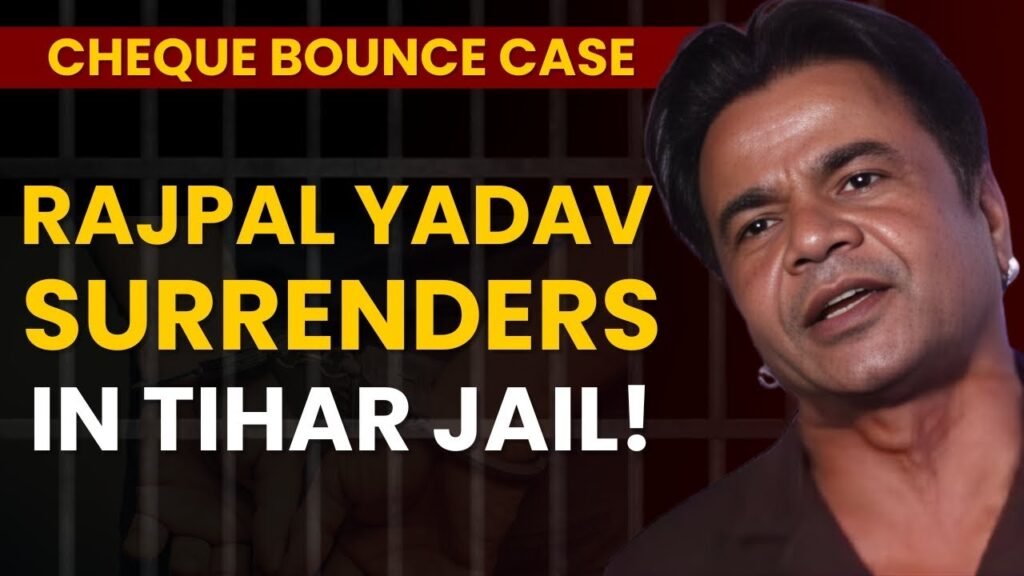
Cheque bounce cases are among the most frequently encountered financial disputes in India, impacting both individuals and businesses. Governed by Section 138 of the Negotiable Instruments Act, 1881 (NI Act), dishonoured cheques are considered a criminal offence, attracting fines and possible imprisonment. The high-profile Rajpal Yadav cheque bounce case has recently drawn nationwide attention, highlighting […]
Criminal Law: Meaning, Objectives, Principles, and Process Explained

Criminal Law is one of the most crucial branches of law that safeguards individuals, communities, and nations from unlawful acts. It defines various crimes, determines punishments, and ensures that justice is delivered fairly and transparently. In an age where cybercrimes, financial frauds, and digital offenses are rising, understanding Criminal Law has become more important than […]